Quick answer: Green screen studios give filmmakers and creators a controlled space to shoot talent…
Rehearsal Studios in Miami: What to Look for Before Booking
Quick answer: Before booking rehearsal studios in Miami, check soundproofing, room size for your full act, on-site equipment, support areas like dressing rooms, and how flexible the booking policy is. Getting these details right before you pay lets a band, solo artist, or performer focus on the work instead of fighting the room.
Miami is home to musicians, dancers, vocalists, and touring acts who all need the same basic thing: a room that actually supports what they do. A space that looks fine in photos can fall short fast once a drum kit, an amp stack, or a full dance formation is loaded in and everyone needs to hear or see clearly. Knowing what to check before you book is what separates a productive session from a wasted one.
This checklist walks through the details that matter most when comparing rehearsal studios in Miami, whether you are searching for a rehearsal space for a full band, a rehearsal space for rent for a solo project, or a room built for dance and stage work.
Key takeaways
- Soundproofing and acoustics shape how a rehearsal actually sounds, not just how loud you can play.
- Room size needs to match your full act, from a solo vocalist to a full band or dance group.
- On-site equipment and support areas save setup time and keep sessions productive.
- Location, parking, and security matter as much as what is inside the room itself.
- Flexible booking policies make it easier to rehearse around real schedules, not fixed office hours.
Why This Checklist Matters Before You Book
It is tempting to book whichever rehearsal room comes in cheapest, but price alone rarely tells you whether a space will actually work for your rehearsal. A room with poor soundproofing, no space for a full setup, or no support areas can turn a scheduled session into an hour of troubleshooting instead of practicing.
A facility built specifically for rehearsal, rather than a repurposed office or storage room, tends to solve these problems before they start. That is the real reason to compare rehearsal studios in Miami on more than an hourly rate: you are paying for a session that gets used the way it was planned, not one that gets cut short by a room that does not fit the work.
1. Soundproofing and Room Acoustics
Sound isolation is one of the first things to confirm before booking. A properly soundproofed room lets you rehearse at full volume without noise bleeding into neighboring rooms or in from outside. Blacked-out, sound-treated rooms also tend to offer more consistent acoustics, which makes it easier for musicians and vocalists to hear a clean mix during rehearsal.
Ask directly how the room is treated for sound before you book, especially if the session involves loud drums, full amp stacks, or vocal work that depends on a clean, distraction-free environment.
2. Room Size and Layout for Your Full Act
A room that looks spacious in a photo can feel cramped the moment a full setup arrives. Before booking, think through exactly what needs to fit: drum kits, amp cabinets, mic stands, and open floor space to move. A solo vocalist rehearsing alone has very different space needs than a five-piece band, and a dance group blocking a routine needs open floor space that a standard practice room may not offer.
Confirm the room dimensions and layout before committing, particularly if your session involves choreography, stage blocking, or anything beyond a standard band setup.
3. On-Site Equipment That Saves Setup Time
Loading in a full backline for every session wastes time and energy that could go toward actually rehearsing. Facilities that provide on-site gear let performers walk in and start faster. When comparing a rehearsal space for rent, ask what is actually included versus what you need to bring, since this varies widely between facilities.
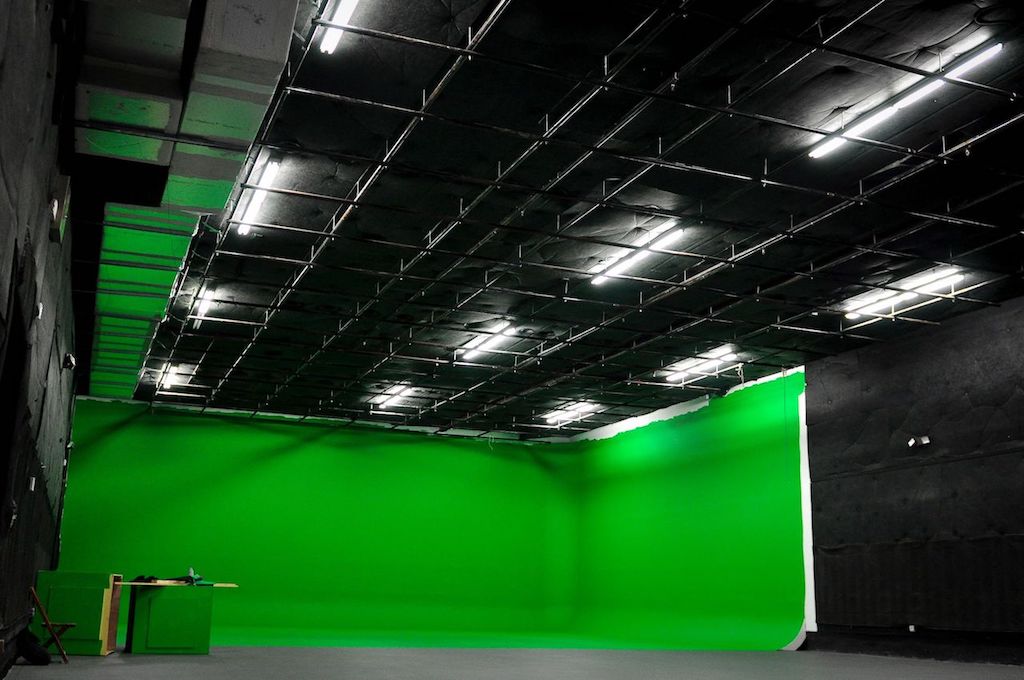
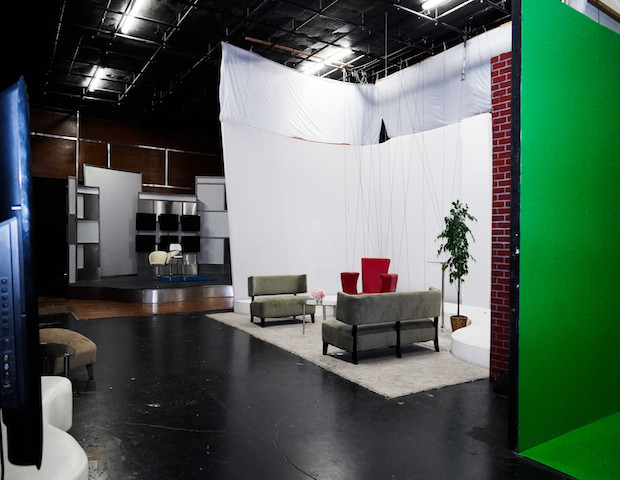
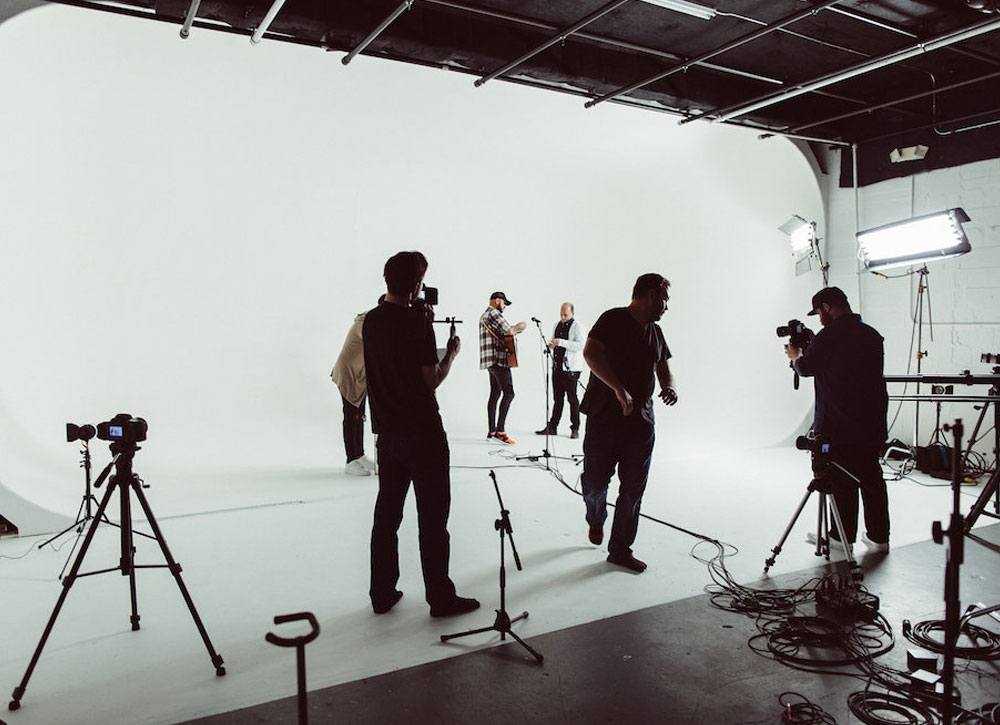
Common items worth confirming include drum kits, guitar and bass amps, PA systems, microphones, and monitor speakers. A space with a large four-corner cyc wall or full sound stage is also worth considering for rehearsals that go beyond a standard band setup, such as choreography, stage blocking, or larger show production.
For a closer look at additional details worth reviewing before you commit, our earlier guide on finding the perfect rehearsal practice space in Miami breaks the process down step by step.
4. Support Areas That Make Longer Sessions Comfortable
Long rehearsal sessions are easier when a facility offers more than just the practice room itself. Dressing rooms, kitchens, bathrooms, and even showers make a real difference during extended sessions or when preparing for a performance directly after rehearsal. A comfortable waiting area also matters when performers or guests arrive at different times.
At M3 Studios, rehearsal sound stages are aligned with support areas that include dressing rooms, make-up rooms, kitchens, bathrooms, and showers, giving performers more than a bare room to work with during a session.
5. Location, Parking, and Access
A great room does not matter much if getting there is a hassle. Before booking, consider how easy the location is to reach, whether there is enough parking for cars and gear, and whether the surrounding area feels safe, especially for evening or late-night sessions, which is when many performers prefer to rehearse.
Easy highway access and ample, secure parking reduce the friction of getting a full band, dance group, or crew and its equipment in and out on time.
6. Security and a Controlled Environment
For performers storing gear between sessions or rehearsing material ahead of a release, a secure, controlled facility matters. Look for a gated environment with on-site security rather than an open space where equipment or privacy could be at risk. A smoke-free facility is also worth confirming if air quality matters for vocalists or long sessions.
7. Booking Flexibility That Fits Real Schedules
Performers rarely rehearse on a strict nine-to-five schedule. Evenings and weekends tend to be the most in-demand times, so confirming booking flexibility upfront avoids a scramble later. Ask about cancellation policies, overtime rates, and whether discounts are available for longer bookings, group rates, or off-peak hours.
A facility available around the clock gives bands, solo artists, and touring acts more control over scheduling around day jobs, tour prep, or last-minute rehearsal needs before a show.
Rehearsal Space Checklist at a Glance
Use this table as a quick reference when comparing rehearsal studios in Miami or any rehearsal space for rent.
| What to Check | Why It Matters |
|---|---|
| Soundproofing | Keeps rehearsal sound contained and monitoring clear |
| Room size and layout | Needs to fit your full act, from solo to full group |
| On-site equipment | Saves setup time between sessions |
| Support areas | Dressing rooms, kitchens, and bathrooms add comfort for longer sessions |
| Location and parking | Affects how easily performers and gear reach the space |
| Security | Protects equipment and privacy during and between sessions |
| Booking flexibility | Matches scheduling to a performer’s real availability |
Who This Checklist Helps Most
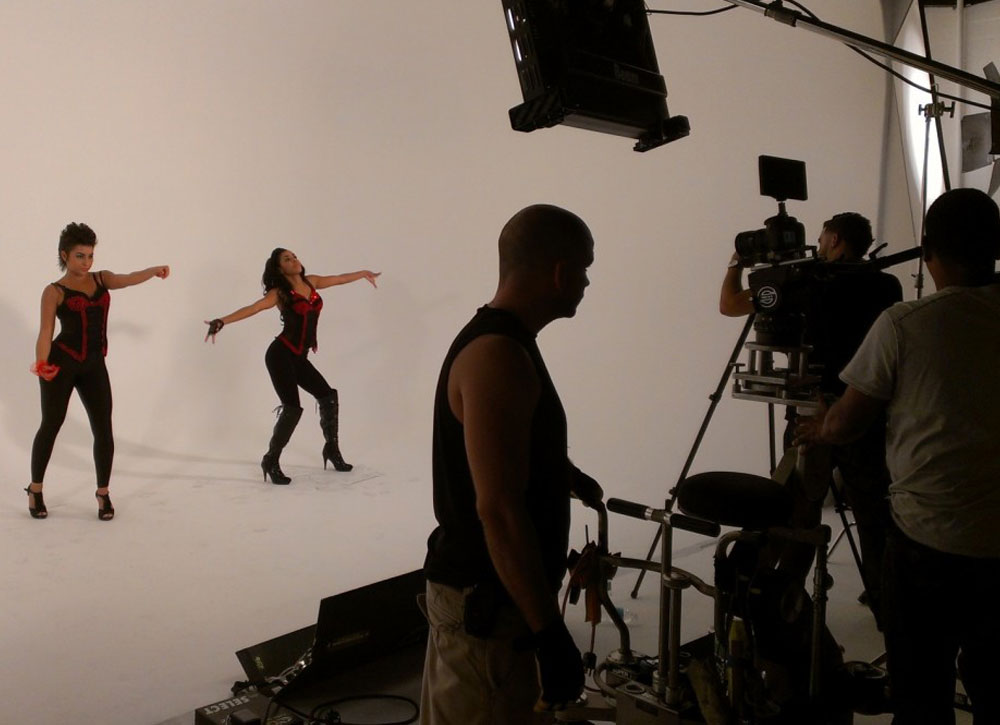
This checklist applies whether you are a touring band prepping a full live set, a solo vocalist who needs a quiet, focused room, or a dance group blocking a routine that requires open floor space. The details that matter, soundproofing, room size, equipment, and support areas, stay the same no matter the type of act, even though what “the right fit” looks like will differ from one performer to the next.
Final Thoughts: Book a Space Built for Your Rehearsal, Not Just a Room
The right rehearsal studio is about more than an open room and an hourly rate. Soundproofing, room size, on-site equipment, support areas, location, security, and booking flexibility all shape whether a session helps you improve or just adds friction to your schedule. Working through this checklist before you book puts any performer, from a solo artist to a full band, in a stronger position than comparing prices alone.
Ready to see a rehearsal space built around these details? Reach out to the team to check availability and book a session that fits your sound, your schedule, and your setup.
Frequently Asked Questions
1. What should I check first in rehearsal studios in Miami?
Start with soundproofing and room size, since these affect how a rehearsal actually sounds and whether your full act fits comfortably.
2. Do rehearsal studios provide equipment, or do I need to bring my own?
This varies by facility. Some rehearsal spaces include drum kits, amps, and PA systems, while others expect performers to bring their own gear, so it is worth confirming before booking.
3. Is a rehearsal space for rent worth it for a solo artist, not just bands?
Yes. Solo vocalists and performers benefit from the same soundproofing, comfort, and scheduling flexibility as bands, often in a smaller room sized to fit a solo setup.
4. How far in advance should I book a rehearsal space?
Evenings and weekends tend to fill quickly at busy facilities, so booking in advance helps secure the time slot a band or performer actually needs.
5. What questions should I ask before confirming a booking?
Confirm what equipment is included, the cancellation and overtime policy, parking and load-in access, and whether the room’s soundproofing fits your rehearsal volume and setup.

Related Posts