


Production Studios in Miami: Features, Pricing & What to Expect
Miami is one of the top cities in the United States for creative work. Film makers, photographers, brands, musicians, and content creators come to the city every year to work on projects of all sizes.
As the demand for content continues to grow, so does the need for high-quality production spaces. Today, many production studios in Miami support everything from commercials and music videos to podcasts and social media content.
If you are searching for one of the leading production studio in Miami, it is important to understand what features are available, how pricing works, and what you can expect before booking.
Why Production Studios in Miami Are in High Demand
Miami offers a unique mix of business, entertainment, and culture. The city provides beautiful locations, skilled creative talent, and a strong media industry. These advantages make it a popular choice for video shoots, brand campaigns, and digital content projects. As a result, production studios in Miami continue to attract local businesses, national brands, and independent creators.
What Are Production Studios?
Production studios are spaces designed for creating visual or audio content. Many facilities, including M3 Studios, provide flexible spaces that support different types of projects under one roof.
These studios help creators work in a controlled environment where lighting, sound, and space can be managed more effectively.
Common Uses for Production Studios
Production studios are often used for:
- Commercial filming
- Music videos
- Interviews
- Podcasts
- Product photography
- Social media content
- Live streaming
- Corporate videos
Many businesses choose studios because they offer greater control than outdoor locations.
Features You Can Expect in Production Studios in Miami
Every studio is different. However, many offer similar features designed to make production easier.
Professional Lighting
Lighting is one of the most important parts of any production.
Many studios include:
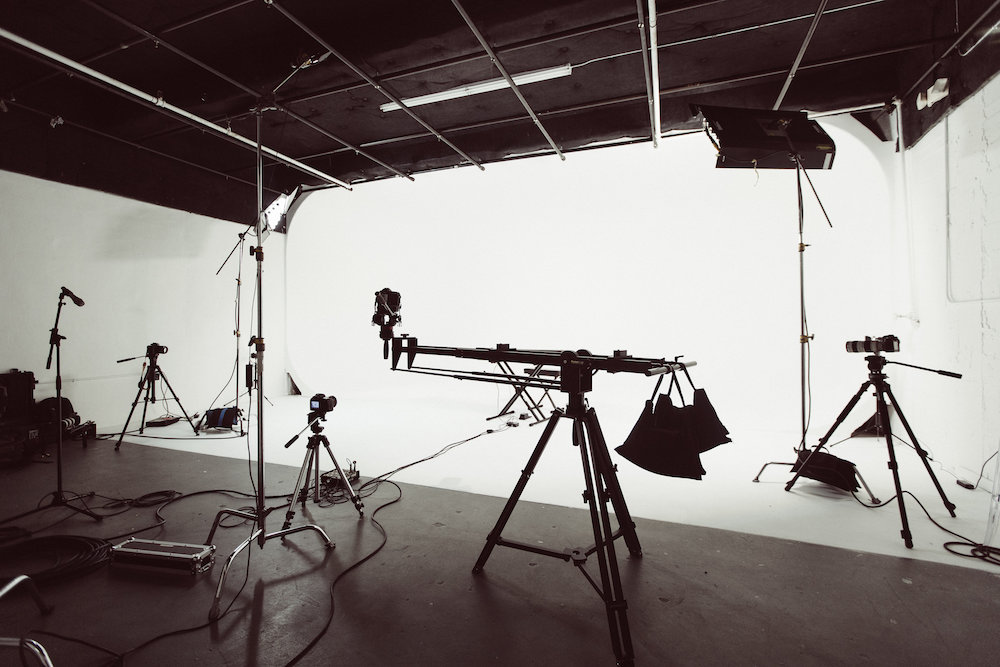
- LED lighting
- Soft boxes
- Light stands
- Ceiling-mounted lighting systems
Good lighting helps improve the quality of photos and videos.
Sound Control
Sound quality matters for interviews, podcasts, and video shoots.
Many production studios include:
- Sound-treated rooms
- Noise reduction materials
- Quiet recording areas
These features help create cleaner audio.
Flexible Shooting Areas
Different projects need different layouts.
Many studios offer:
- Open floor plans
- Movable backdrops
- Multiple shooting areas
- Green screen spaces
This flexibility allows teams to create different looks in one location.
Equipment Options
Some production studio rental packages include cameras, lighting, and other essential equipment, while additional gear may be available as an optional add-on.
Available equipment may include:
- Cameras
- Microphones
- Lighting kits
- Monitors
- Tripods
Always confirm what is included before booking.
Types of Production Studios in Miami
There are several types of studios available throughout the city.
Film Studios in Miami
Film studios are built for larger productions.
They often include:
- Large shooting floors
- High ceilings
- Production offices
- Loading areas
These studios work well for commercials, television projects, and film work.
Content Creation Studios
Content creators often need smaller, flexible spaces.
These studios may include:
- Podcast rooms
- Social media sets
- Video recording areas
- Streaming setups
They are ideal for modern digital content.
Photography Studios
Photography studios focus on image creation.
Common features include:
- White walls
- Backdrops
- Flash lighting
- Makeup stations
These spaces support both personal and commercial projects.
Understanding Studio Rental Pricing
One of the most common questions involves cost. Studio rental pricing depends on several factors.
Studio Size
Larger studios typically cost more than smaller rooms.
The amount of space required often depends on:
- Crew size
- Equipment needs
- Project type
Rental Length
Most production studios offer:
- Hourly rentals
- Half-day rentals
- Full-day rentals
Longer bookings may qualify for discounted rates.
Equipment Requirements
Additional equipment can increase the total cost.
Examples include:
- Cameras
- Lighting packages
- Audio systems
Always request a detailed quote before booking.
Support Services
Some facilities provide additional support such as:
- Technical assistance
- Setup help
- Production staff
These services may be charged separately.
Questions to Ask Before Booking
Before selecting a production studio, ask a few important questions.
1. What Is Included in the Rental Fee?
Ask for a full breakdown of costs.
2. This helps avoid unexpected charges.
Are There Any Time Restrictions?
3. Some studios have strict operating hours.
Others offer extended access.
4. Is Parking Available?
Parking is especially important for larger teams.
5. Can Equipment Be Rented On Site?
This can save both time and transportation costs.
Benefits of Renting a Production Studio
Professional studios offer several advantages.
- Better Production Quality: Controlled environments help improve both video and audio quality.
- Time Savings: Built-in equipment and prepared spaces reduce setup time.
- Greater Flexibility: Studios allow teams to work regardless of weather conditions.
- Professional Appearance: A well-equipped studio creates a strong impression for clients and partners.
Common Mistakes to Avoid
Many people make simple mistakes when booking a studio.
Avoid these common issues.
- Choosing Based Only on Price: The cheapest option is not always the best value.
- Ignoring Equipment Availability: Always confirm equipment needs in advance.
- Booking Too Little Time: Allow enough time for setup, filming, and cleanup.
- Forgetting About Parking: Parking can impact both crew and client experience.
How to Prepare for Your Studio Rental
A little preparation can help your project run smoothly.
Before your booking:
- Confirm arrival times
- Check equipment lists
- Review studio policies
- Share schedules with your team
- Test files and media
Good planning helps maximize your rental time.
Working With Production Teams in Miami
Many brands, agencies, and creators rely on production studios in Miami to complete projects efficiently. Studios often become the central location where creative teams can plan, film, edit, and collaborate throughout the production process. If you would like more information about available studio options, Get in Touch to discuss your project requirements and rental needs.
Conclusion
Production studios in Miami provide the space, tools, and flexibility needed to create high-quality content. Whether you are producing a commercial, filming a music video, recording a podcast, or creating social media content, the right studio can improve both efficiency and final results.
Before booking, compare features, understand pricing, and confirm what is included in the rental package. Taking the time to plan ahead can help ensure a smooth production experience.
As demand for creative content continues to grow, production studios in Miami remain an important resource for businesses, agencies, and creators looking to bring their ideas to life.
Frequently Asked Questions
1. What are production studios in Miami used for?
Production studios are used for filming, photography, podcasts, interviews, live streaming, and other creative projects.
2. How much do production studios in Miami cost?
Pricing varies depending on studio size, rental length, equipment, and support services.
3. Do film studios in Miami include equipment?
Some do, while others offer equipment as an additional rental service.
4. Can I rent a production studio by the hour?
Yes. Many studios offer hourly, half-day, and full-day booking options.
5. Are production studios suitable for podcasts?
Yes. Many studios provide sound-treated rooms designed for podcast recording.
6. What should I bring to a studio rental?
Bring project files, equipment not included in the rental, and any materials required for your shoot.
 It was amazing to see such an Americanized game embrace all the diversity that Miami has to offer.
 At the Xbox live event The San Francisco 49ers cornerback, Richard Sherman, beat Kansas City Chiefs tight end Travis Kelce in a game of Madden NFL 2o. Richard Sherman won 50 Xbox consoles for his charity, the Blanket Coverage Foundation.
 After Kelces lost he went on to say “It was a blast… to hang out with Richard Sherman you know he’s a pro and pro gets, he’s as real as they come out here.”




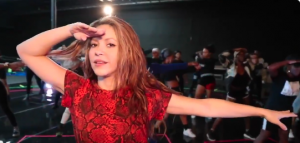
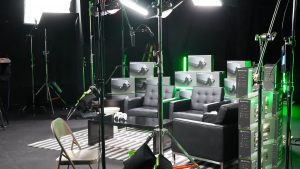
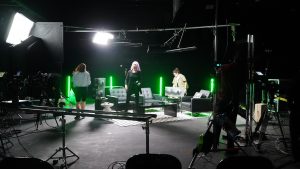
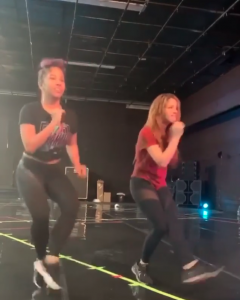
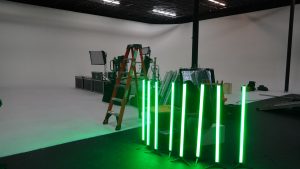
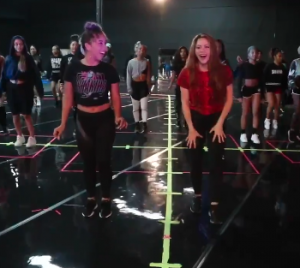
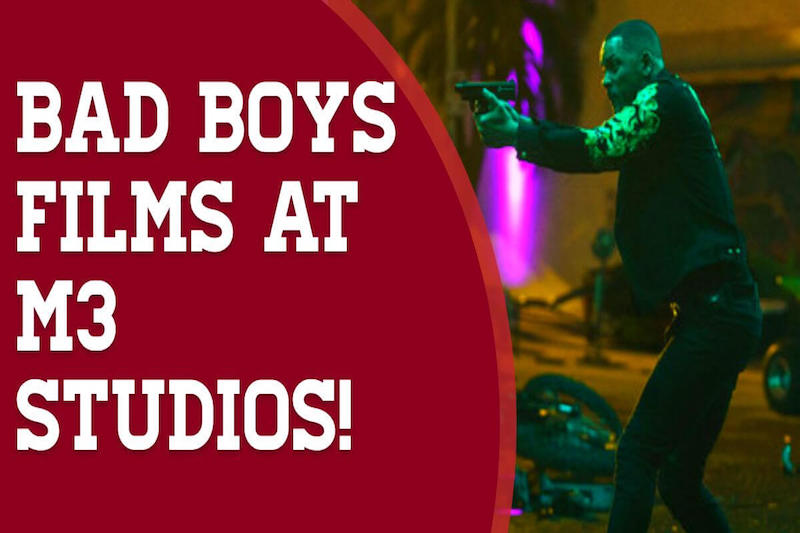
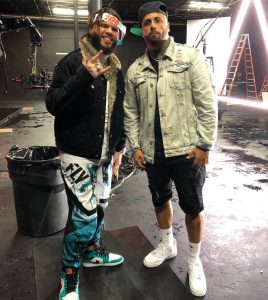
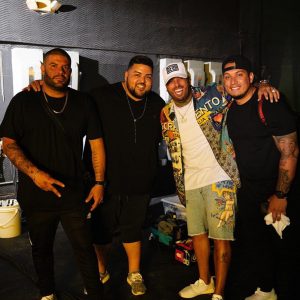
 And here is an exclusive in site, some of the scenes were shot right at M3 Studios. And if you have no idea what Bad Boys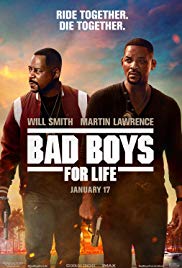
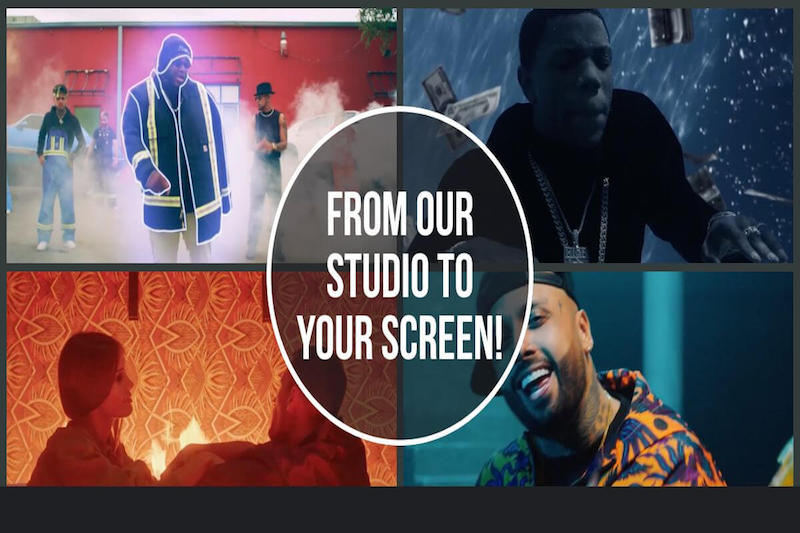
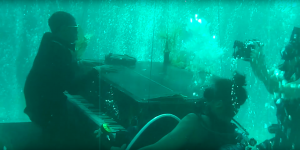 For example when we worked with Boogie Wit A Hoodie on his music video Drowning. Our M3 Stunt and rescue team help him bring his vision to life. Boogie Wit A Hoodie wanted to be underwater, playing the piano, and singing. It was a challenge but our SRT team got right to work on it.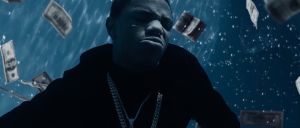
 can find videos that are viewed and shared all over the world that were filmed at our studio. The big leagues and the local icons know where to go for their film, TV, and photoshoot studio and production services needs. We have artists like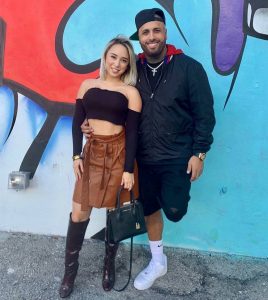
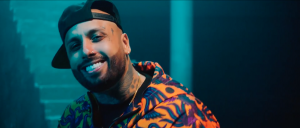
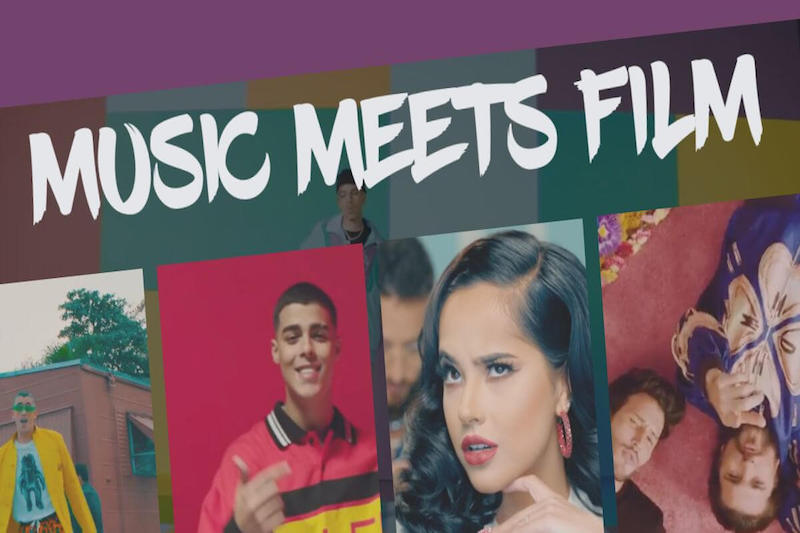

 Juanes with their music video for Bonita that has over 104 MILLION views and Que Le De by Rauw Alejandro Feat. Nicky Jam with over 103 MILLION views. I’ll stop here because I’m pretty sure you get the idea.
 Bunny, just to name a few, come back to us again and again. And why? Because since we are the largest film studio in South Florida we have the space to accommodate any production, set, crew, and anything else you may need, even if its space for a lion. We work with you to make sure that you have the space you need for your production and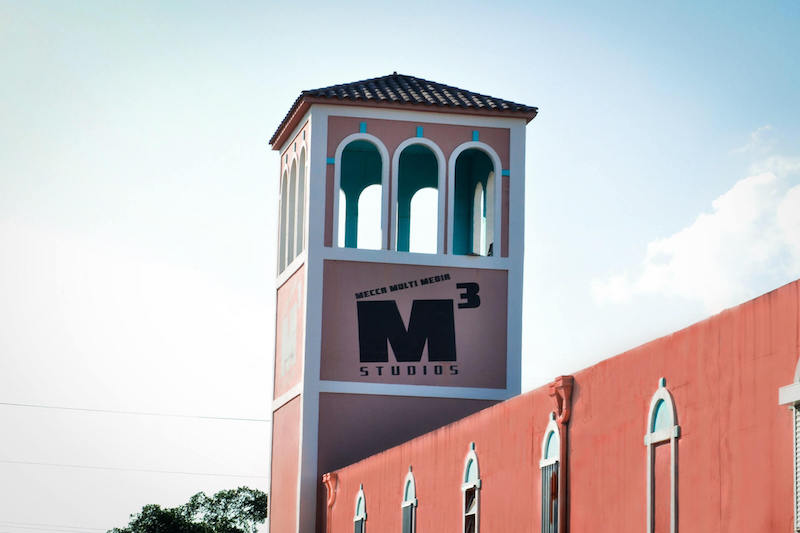

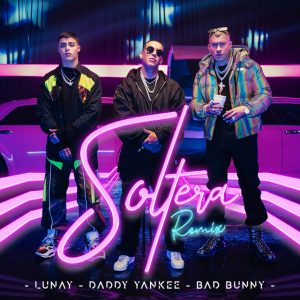 local Favorite Film Studio in Miami. Now its 2020 and we’re adding another extraordinary year under our belt. In 2019 we had many breakthrough moments like that time that Lunay, Bad Bunny, and Daddy Yankee, shot the music video Soltera Remix right here in the studio, which by the way, now has 463 MILLION views. Like what?! And then we had Becky G and Myke Towers shoot their music Video for Dollar that has over 181 MILLION views. I don’t know about you but that’s a lot of people. To put it in perspective, those two music videos combined equal the population of China. Like that’s insane!!
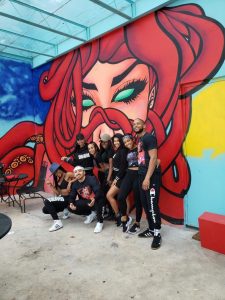
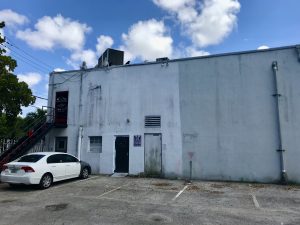
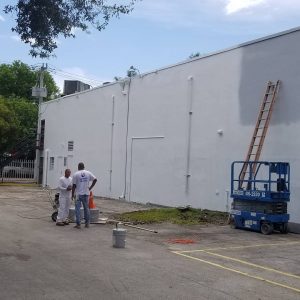
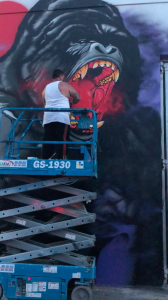
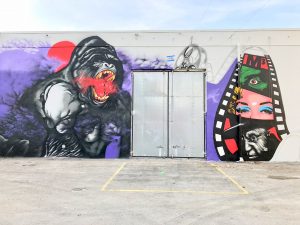
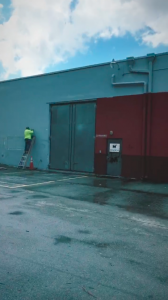
  It took us a lot of work and patience but, it is finally complete. We wanted to start our time consuming renovation process by batteling the exterior first. With over 20 men working on various sections at a time, filling in cracks, sanding down, priming, and finally painting it took us a very long time to get the exterior to where it is now. We also added a glass ceiling to our outside patio area, and it took over 6 men to put up one glass at a time to make sure it didn’t crack. Lets just say, the panic attacks are finally done. After the construction and fixing was done we called in some local artist to finish up the job. They did such an amazing job adding mesmerizing murals to the once blank canvas.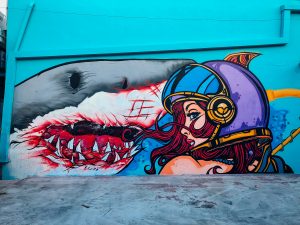
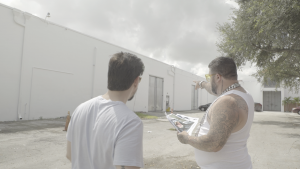
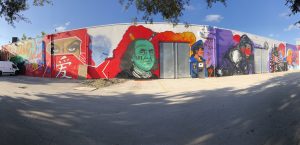
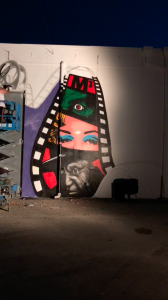
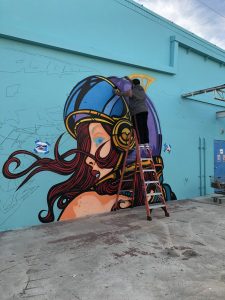
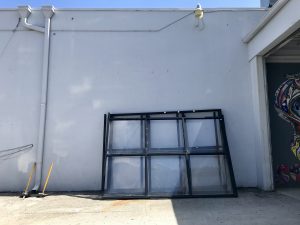
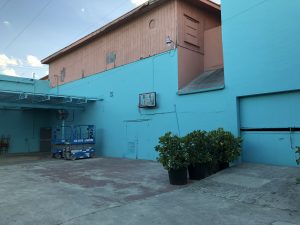
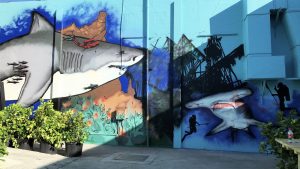
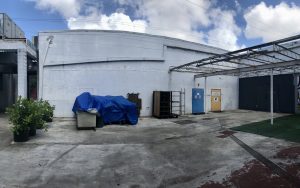
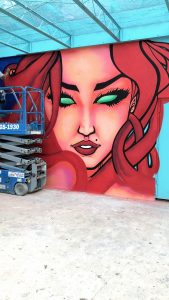
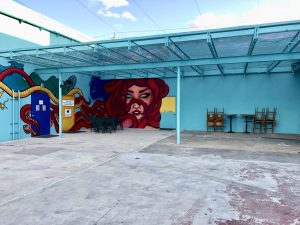

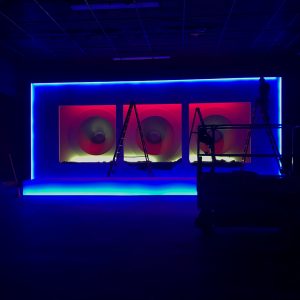
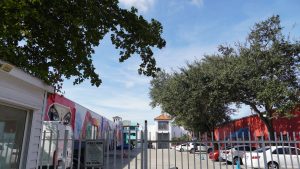 3 CYC walls, green screen studios, 6 editing bays, rehearsal space, event areas, and so much more. We’re talking about 122,000 Sq. Ft. of state-of-the-art studios, we can assure you that no production is too big or too small for M3.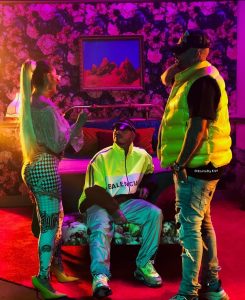
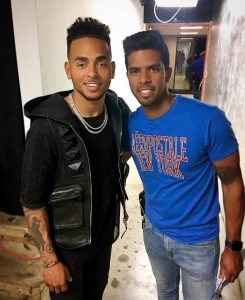



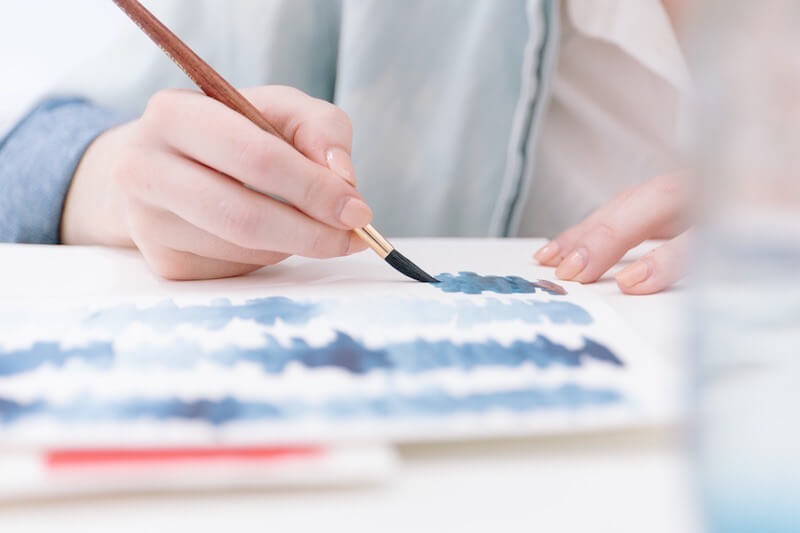
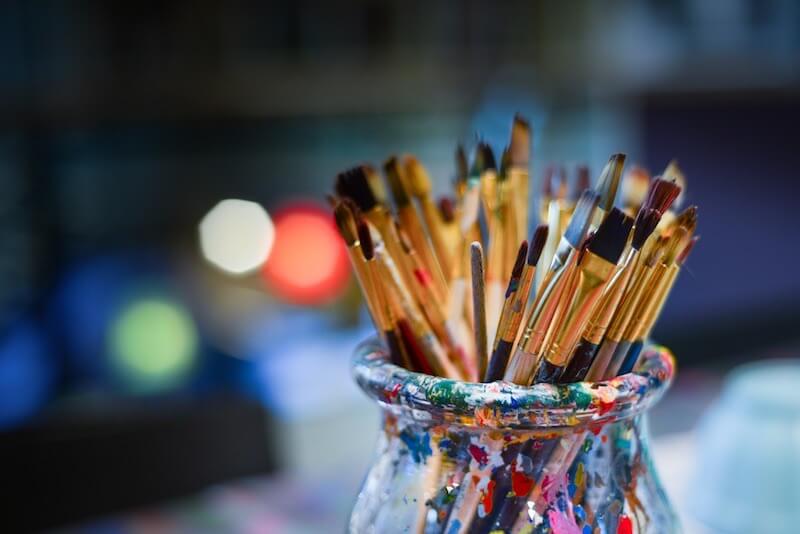 impossible to sustain a good living that comes from their art; nonetheless, you will be amazed by how successful this industry is when you know how to play your cards. Artist Rene Magritte once said, “Life obliges me to do something, so I paint.”. The art consists of a diverse range of human activities that can go from painting or sculpting to acting or dancing, despite which form of art fits you better, you can develop substantial sources of income out of it.
 this process is defined as the right to use a legally protected property in an agreement with a product, promotion, or services; regularly, the market pays between 4% to 30% in royalties to the artist for every print sold and a small percentage on their framing. The great thing about Licensing is that it is a continual, residual income builder that help to fill in the gaps when art sales are at a low rate. There are endless possibilities of products that can be licensed; as an artist, you have the potential to create your own brand and offer more than your prints, but everything from collectibles, home decor, or whatever that can cross your mind.
 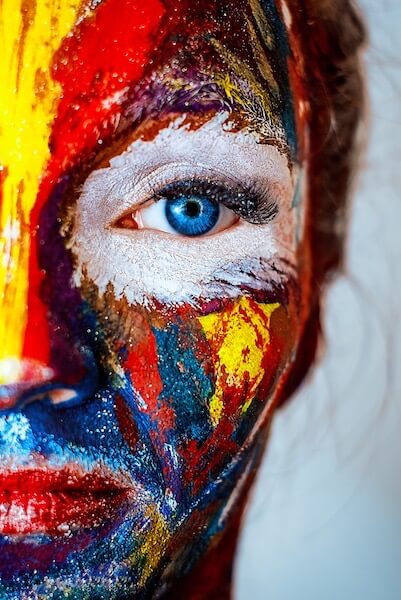 Companies are looking for themes or patterns that they can use over several of their products; therefore, divide your work into sets so you can have different products to offer. Besides expanding your brand you also need to protect it; read books, websites and blogs about how artists can license their art, this knowledge will help you negotiate your rates and protect your rights; define what your goals are and who you are selling to, this will determine what product you want to launch and which companies you want to work with; let these companies know you exist, write them a meaningful letter describing your work and your interests, show them how they can benefit from your work; create a list of those companies you have contacted and those you want to contact; create a portfolio to showcase your art and how it can fit with different products; follow up with your proposals, give them a follow up email after two weeks to a month, considering that they might be too busy; connect with the right people, use social media to interact not only with friends but also with possible clients.
 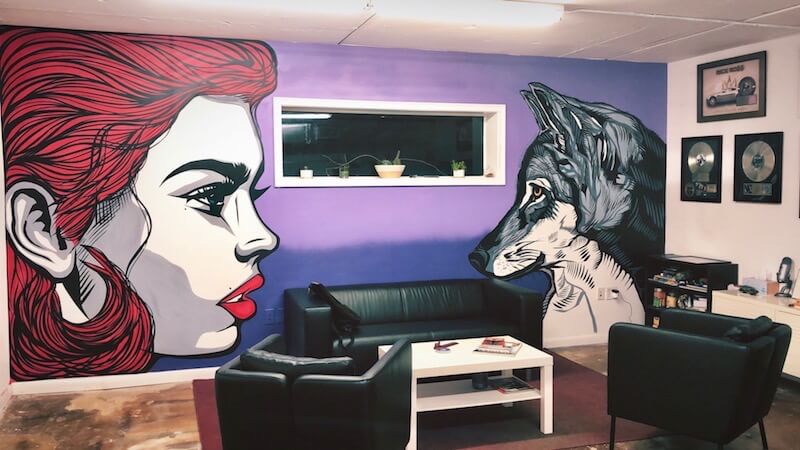 This form of intellectual property provides artists the original works of authorship, which includes literary, dramatic, musical, artistic, and other creative works. It doesn’t matter where you place your art, as long you are not destroying any property, you have ownership over your work, and you have the right to protect it. Graffiti is a great example of this matter; even though street art is an illicit form of public art, it perfectly fits within the law of copywriting because it has a modicum of creativity, and can be fixed into any
 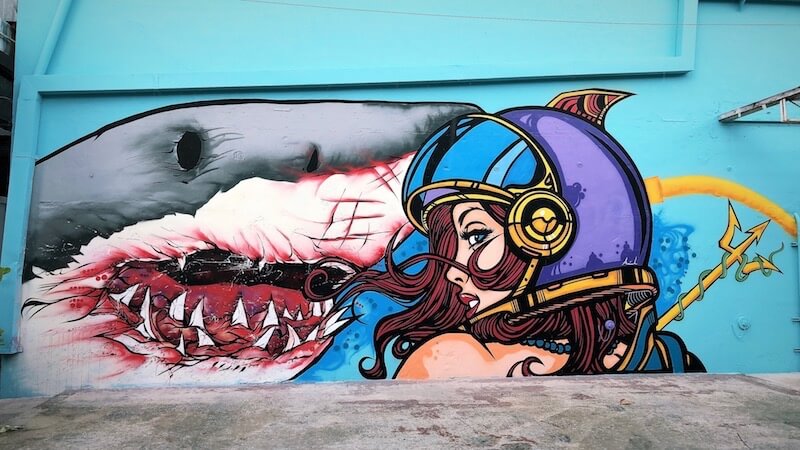 tangible medium of expression. Miami’s Wynwood district has become a hotspot for street art where everybody takes pictures of beautiful walls; however, many photographers, journalists, and bloggers wonder if they are exposing themselves to liabilities when they photograph these street arts, but why? Truth is that everything depends on what you do with the pictures you took or the purpose of those pictures; there would not be any inconvenience if you took pictures of the art for personal purposes; nonetheless, if you took them for commercial purposes, as photographers, journalists, and bloggers could; then, you should have to pay royalties for using those artworks photographs, if you don’t, the authors of these artwork pieces have the right to sue you.
  an eight-time Emmy nominated set decorator who designed Home Again. “It really is.” Finding the right artwork with legal clearance to appear on the screen can be a real challenge. Art Clearance has become increasingly critical over the past years, making film studios and artists take this matter seriously. Under the Copyright Term Extension Act of 1998 (an extension of the Copyright Act of 1976), artworks generally enter the public domain 70 years after an artist’s death, which means that the owner of the artwork retains the rights to the display and use of their work until that time. Before any artwork is used on films, videos, or TV shows it needs to be cleared, which means that it needs to get the copyrighted approval from the owner of the artwork, rather artists, galleries, estates, etc. As expected, artists want to get paid for their work, and studios want to pay a price that fits within the budget. One way to make things easier is to work with art rental companies, or art galleries, as mentioned before in this blog, due to the fact that they work as an intermediary that protect both, the artist and the studio, from copyright-related lawsuits; hence it is not mandatory to work with these agencies, they surely help along the way of getting your art on TV and film, making sure that it is cleared.
 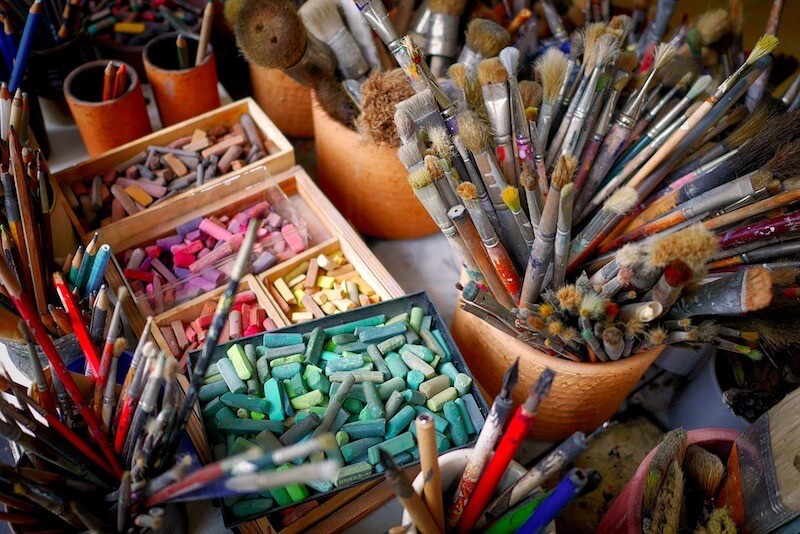 Artwork plays an extremely important place when designing the set, everything you see on film was carefully composed to affect your watching experience subconsciously. Filmmakers use color to set the tone of a scene, to make the audience feel, to show a character’s journey, or to communicate a film’s ideas. Red is used to express power, passion, anger, love, or danger; pink denotes innocence, sweetness, femininity, empathy, or beauty; orange is associated with sociability, friendliness, happiness, youth, or exoticness; yellow signifies madness, sickness, insecurity, obsessiveness, or naive; green represents nature, darkness, immaturity, corruption, danger, or ominous; blue symbolizes cold, isolation, melancholy, calm, or passivity; and purple communicates fantasy, erotism, ominous, mystical, illusion, or ethereal. Besides playing with your mind on purpose, filmmakers also play with their budget; all this color use not only helps to create the perfect tone for a scene, it actually help filmmakers reduce cost by not having to build out everything needed to bring a whole scene to life.
  As mentioned before, getting all the copyrighted permits is an art by itself; sometimes is easier and cheaper to make the set designer paint something that fits within what the scene would be even though it will have a different look and feel of a genuine piece of art might have; other times art is already there, for example, when shooting in exterior locations such as luxury condos, buildings, famous streets, woods, etc; some areas let you shoot in there in exchange for credits in the movie, others are free permits, but most of them can cost thousands of dollars a day to shoot in.
 Movies are often considered a form of art; they are the product of arranging symbolic elements in a way that influences senses, and emotions; from within they are a combination of different branches of art such as music, literacy, drama, sculpting, and panting. Using artwork in films can help reduce the cost for productions as set designers have less to dress up on set; additionally, helps directors to better capture a scene by making it true to life; this practice is also an outstanding way to inform the audience about who or what the character is like, whether it’s fine art, graffiti, or abstract art, the use of artwork in films is a win for artists and entertainment professionals, as they both help in affecting the audience emotions.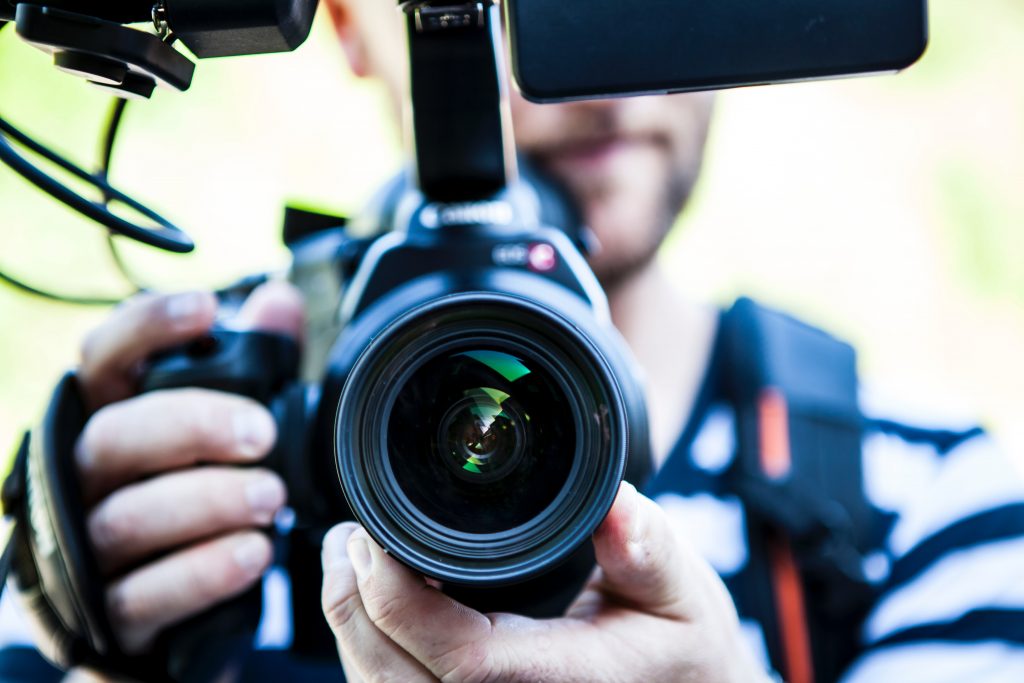
 better with the production is important to consider factors such as the type and subject of the film and the experience behind the cast and crew involved in the project. It is common to use crowdfunding platforms to raise money or to secure increasingly elusive government grants for short films. In fact, “the most beneficial situation for the filmmaker would be to receive 100% of the film costs from an equity sale in exchange for substantially less than 100% of the income” in a range of 25-50% according to “The Independent Filmmaker’s Law and Business Guide: Financing, Shooting, and Distributing Independent and Digital Films”. Even though filmmaking should be commercially viable without the need for public funding, is important to remember that people or organizations invest in the films to make profits out of them; therefore film budgets need to stand the scrutiny of investors seeking cost-effective production, as well as a reasonable rate of return.
 Additionally, the affordability of making films on digital media has increased competition. Several filmmakers fear bankruptcy; however, the challenge to filmmakers is to make unique genre-specific movies using digital technology. The genre is the only way that a film buyer and the marketing manager of a distribution company can quickly visualize the movie poster, trailer, and marketing campaign. The industry is changing into a more consumer-centric one, nowadays consumers can enjoy podcasts, web shows, and can access them by downloading or streaming the product. It is important to focus on the benefits that the digital revolution has brought such as worldwide distribution and instant access to the final product.
  additionally, the gaming industry, which breeds on digital technology, has been influencing storytelling in the film industry. In fact, the incorporation of gaming techniques in terms of storytelling and visualization will make movies stronger; it is mandatory for independent film studios to focus their efforts on unique storytelling, these new ideas will stand out more than they have in the past.
 A low budget makes people assume multiple roles in order for a film to be produced at the lowest cost possible, as director Benjamin Dickinson said: The biggest challenge that I had making the film was just that I was wearing too many hats. This de-emphasis on specialization means individuals are less likely to develop the specialized skills that Hollywood and large film agencies demand. Ultimately, it is a hit or a miss, depending on the director’s ability to wear multiple hats.
 Nowadays, we have more access to data than ever before that can help filmmakers to understand the audience they are trying to reach, and create not only awareness but stronger loyalty and engagement for the long term; unfortunately, filmmakers are not collecting and analyzing efficiently their data. As an example, ‘Paranormal Activity’ may have cost a mere $15,000 to make. What Paramount bought was not the film, but the social media strategy that the filmmaker Orin Pelli developed around his film.
 audiences due to the fact that there are too many films being made. At a movie theater, independent films face several challenges more than a regular film. First, they need to put in the effort of distinguishing themselves from the other independent films that are opening at the same time. Secondly, they need to invest in identifying their audience efficient. And thirdly, they need to be worthy for the audience that will pay for the ticket. Independent filmmakers are beginning to explore Video On Demand (VOD) as a distribution method. Thus it allows filmmakers to reach larger audiences with relative ease, streaming services don’t provide nearly the same return as physical sales of DVDs; therefore, many independent filmmakers fear that this technology may lead them to go bankrupt if they are not able to attract the same volume as larger Hollywood films that garner millions of viewer. To overcome this issue, independent filmmakers often develop a